
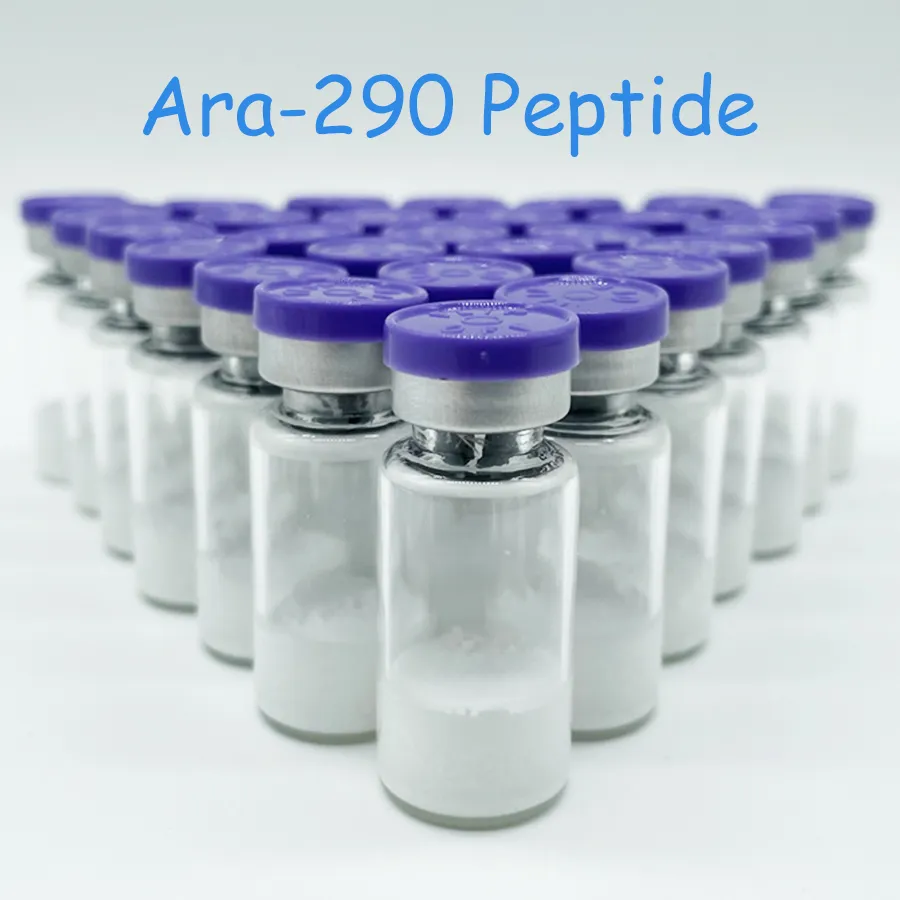
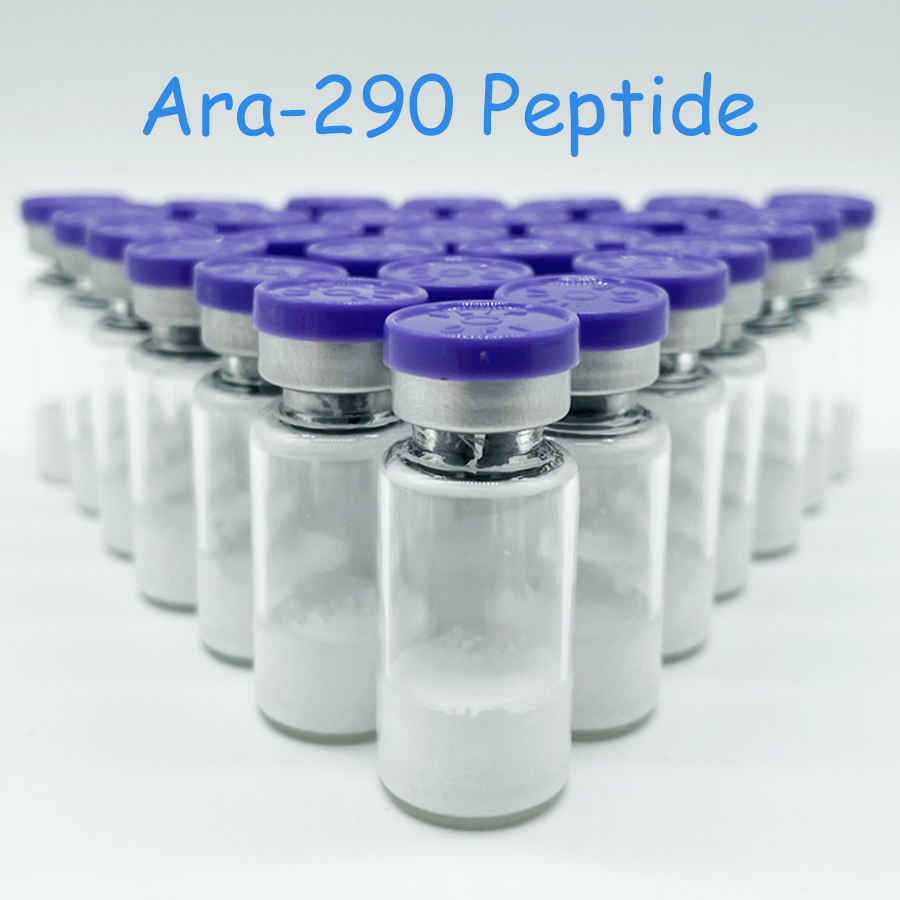
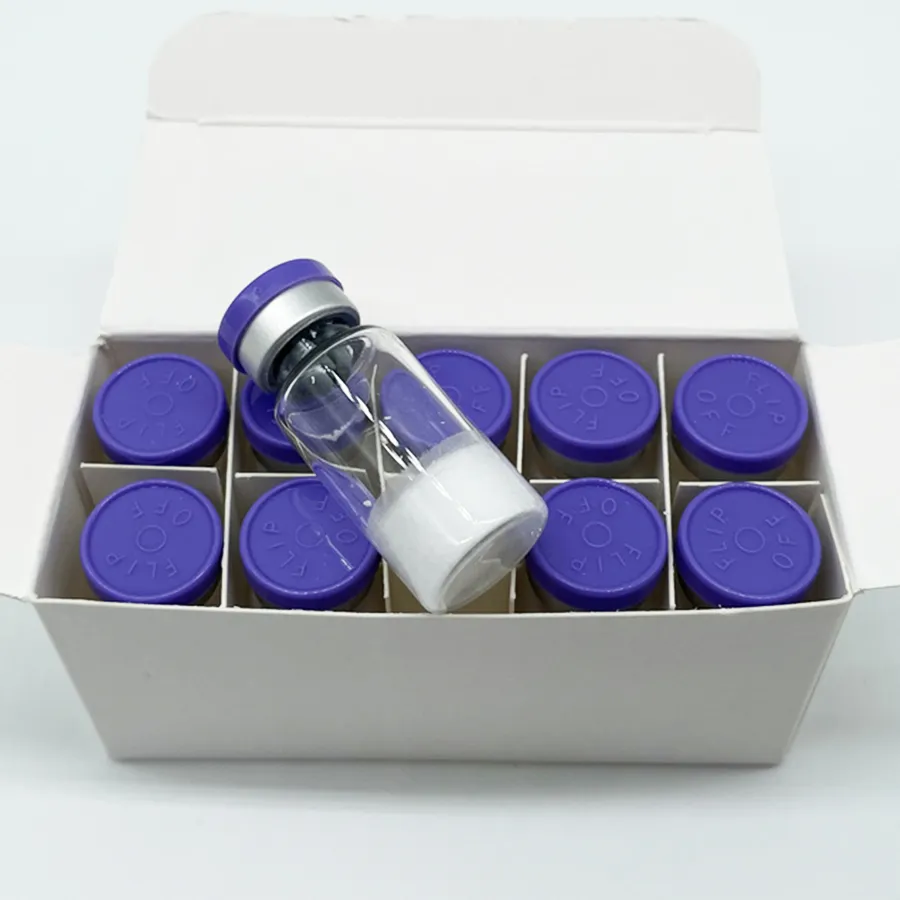
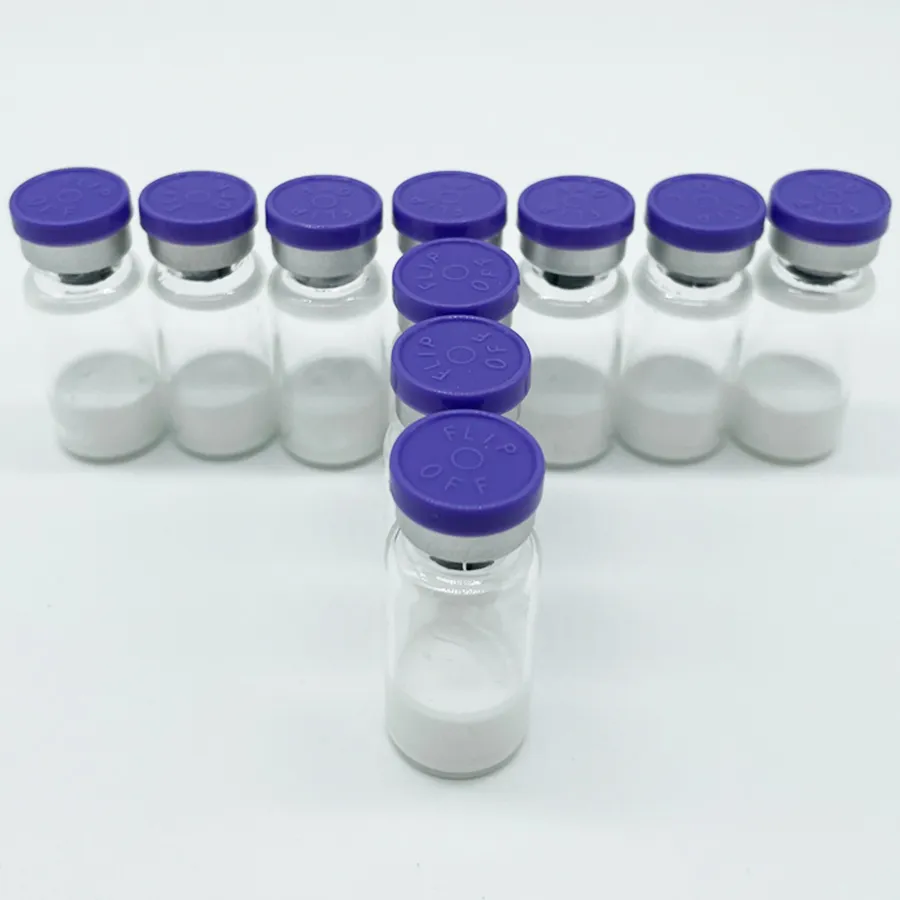
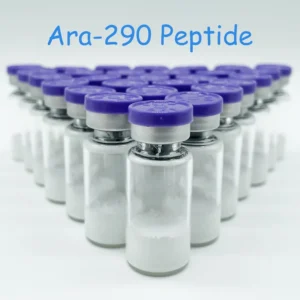
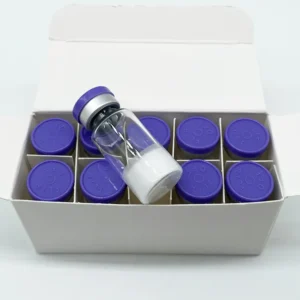
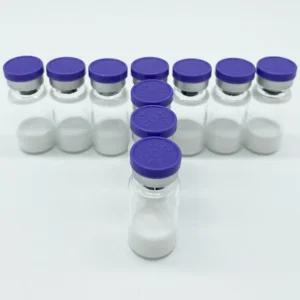

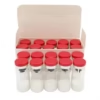
Order ARA-290 (Cibinetide) Today – Request a quote for your neuropathy, cardiovascular, or inflammation research project. Available in various pack sizes with Certificate of Analysis. Contact our sales team for bulk pricing and custom synthesis inquiries.
ARA-290 (Cibinetide) Peptide – Premium Innate Repair Receptor Agonist for Research
ARA-290 (Cibinetide) – Non-Hematopoietic EPO-Derived Research Peptide
ARA-290, also known as Cibinetide, is a synthetic 11-amino acid peptide derived from the helix B surface domain of erythropoietin (EPO) . Unlike full-length EPO, ARA-290 is non-erythropoietic—it does not stimulate red blood cell production—but retains potent tissue-protective and anti-inflammatory properties through selective activation of the Innate Repair Receptor (IRR) . This targeted mechanism makes ARA-290 a compelling research tool for investigating neuropathy, metabolic disorders, and inflammation-driven tissue damage. This research-grade peptide is strictly for laboratory investigation and is not intended for human consumption.
Key Factual Details
| Attribute | Detail |
|---|---|
| Chemical Name | ARA-290 (Cibinetide) |
| Synonyms | ARA 290, PH-BSP, Cibinetide |
| Sequence | {Glp}-Glu-Gln-Leu-Glu-Arg-Ala-Leu-Asn-Ser-Ser ({pGlu}-EQLERALNSS) |
| Molecular Formula | C₅₁H₈₄N₁₆O₂₁ |
| Molecular Weight | ~1,257.31 g/mol |
| CAS Number | 1208243-50-8 |
| Purity | ≥98% (HPLC verified) |
| Classification | Non-erythropoietic EPO analog / Innate Repair Receptor agonist |
Mechanism of Action & Research Applications
Selective Innate Repair Receptor (IRR) Activation: ARA-290 binds to the heterodimeric IRR composed of the erythropoietin receptor (EPOR) and the β-common receptor (CD131), which is upregulated in tissues under stress, inflammation, or metabolic insult . This initiates a cascade of pro-survival and anti-inflammatory signaling through the JAK2/STAT, PI3K/Akt pathways, and inhibits the NF-κB inflammatory pathway .
Research Applications:
-
Neuropathy & Nerve Regeneration: Preclinical and clinical data demonstrate improvements in corneal nerve fiber density (CNFD) and reductions in neuropathic pain scores
-
Cardiovascular Aging: Reduces cardiac inflammation, preserves left ventricular ejection fraction, and ameliorates frailty in aged models
-
Diabetic Research: Improves glucose tolerance and insulin release in type 2 diabetic models
-
Inflammatory Disorders: Suppresses pro-inflammatory cytokines via NF-κB inhibition
-
Anti-Apoptotic Studies: Enhances cell survival and reduces apoptosis in stressed tissues
Research Parameters
All dosages are for in-vitro and preclinical research use only and are not intended for human consumption.
Preclinical Rodent Dosing :
-
Typical Dose: 30-70 µg/kg body weight
-
Route: Subcutaneous (SC) or intraperitoneal (IP) injection
-
Frequency: Once daily
-
Study Duration: 4-28 days or chronic (15-month) protocols
Clinical Research Dosing (Published Data) :
-
Standard Dose: 2-4 mg daily
-
Route: Subcutaneous (SC) injection
-
Protocol: 28-day continuous daily dosing
-
Cycle: 4 weeks on, followed by 8-12 weeks off before another cycle
Storage:
-
Store lyophilized powder at -20°C
-
Protect from light and moisture
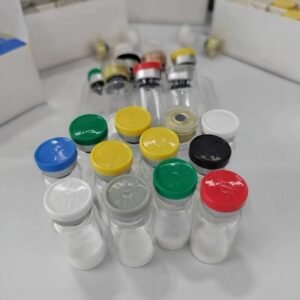
| Quantity | 5mg*10vials, 10mg*10vials, 16mg*10vials |
|---|
Be the first to review “ARA-290 (Cibinetide) Peptide”
Related products

Peptides for Sale
Price range: $45.00 through $85.00
This product has multiple variants. The options may be chosen on the product page


Buy Peptides Online
Price range: $20.00 through $195.00
This product has multiple variants. The options may be chosen on the product page
Peptides
Price range: $70.00 through $125.00
This product has multiple variants. The options may be chosen on the product page
Mini Insulin Fridges
Price range: $5.00 through $10.00
This product has multiple variants. The options may be chosen on the product page
Buy Peptides Online
Price range: $40.00 through $150.00
This product has multiple variants. The options may be chosen on the product page
Reviews
There are no reviews yet.