
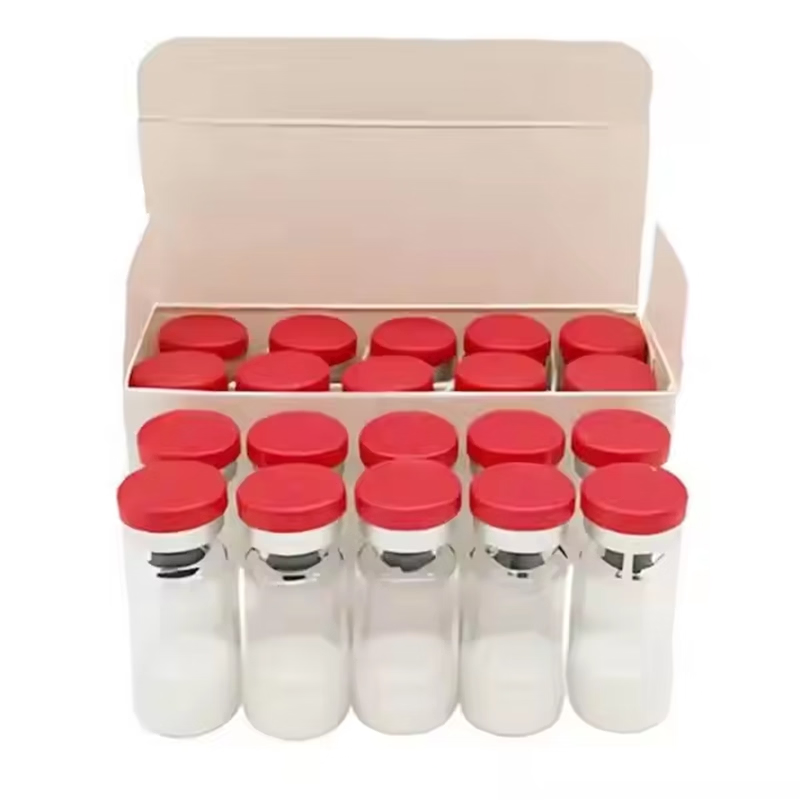

AOD9604 – Premium Fat-Burning Research Peptide
AOD9604 (GH Fragment 176-191) – Lipolytic Research Peptide
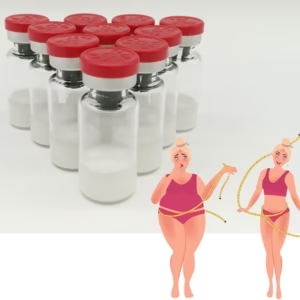
AOD9604 is a synthetic peptide fragment derived from amino acids 177-191 of human growth hormone (hGH), commonly known as GH fragment 176-191 . Originally developed by Metabolic Pharmaceuticals in Australia during the 1990s, this anti-obesity peptide was designed to harness growth hormone’s fat-mobilizing properties while avoiding the metabolic complications associated with full-length GH therapy .
AOD9604 selectively targets fat metabolism through beta-3 adrenergic receptor pathways, stimulating lipolysis (fat breakdown) and inhibiting lipogenesis (fat formation) . Critically, it does not elevate IGF-1 levels or impair glucose metabolism, distinguishing it from full-length growth hormone therapy .
Key Factual Details
| Attribute | Detail |
|---|---|
| Chemical Name | AOD9604 (Anti-Obesity Drug 9604) |
| Sequence | Tyr-Leu-Arg-Ile-Val-Gln-Cys-Arg-Ser-Val-Glu-Gly-Ser-Cys-Gly-Phe (Fragment 176-191 analog) |
| Molecular Formula | C₇₈H₁₂₃N₂₃O₂₃S₂ |
| Molecular Weight | 1815.0 g/mol |
| CAS Number | 221231-10-3 |
| Purity | ≥98% (HPLC verified) |
| Classification | Growth hormone fragment / Lipolytic peptide |
Mechanism of Action & Research Applications
Lipolysis Stimulation: AOD9604 activates beta-3 adrenergic receptors in adipose tissue, triggering the release of stored fatty acids for energy utilization . This enhances fat oxidation without stimulating muscle growth or affecting IGF-1 levels.
Lipogenesis Inhibition: The peptide suppresses lipogenic enzymes, reducing the body’s ability to store excess calories as fat .
Research Applications:
-
Fat Metabolism Studies: Investigating lipolysis and fat oxidation pathways
-
Obesity Research Models: Exploring metabolic regulation mechanisms
-
Cartilage & Joint Research: Some studies suggest potential roles in tissue repair
-
Metabolic Disorder Research: Examining energy expenditure and body composition
Research Parameters
All dosages are for in-vitro research use only and are not intended for human consumption.
Standard Research Protocol :
-
Dose Range: 250-500 mcg (0.25-0.5 mg) once daily
-
Administration: Subcutaneous injection into fatty tissue
-
Timing: Morning, fasted state (8-10 hours overnight fast)
-
Cycle Length: 8-12 weeks, followed by 4-week break
Reconstitution :
-
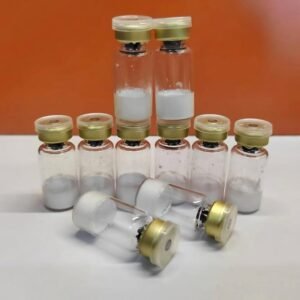
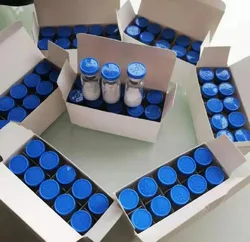
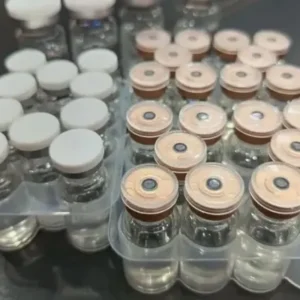
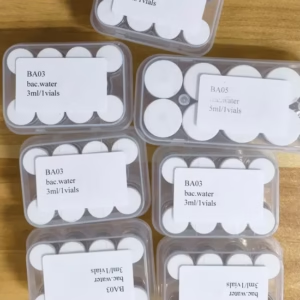
Standard 5 mg vial reconstituted with 2 mL bacteriostatic water
-
Final concentration: 2.5 mg/mL (2500 mcg/mL)
Storage:
-
Store lyophilized powder at -20°C
-
After reconstitution: refrigerate at 2-8°C, use within 28 days
Order AOD9604 Today – Request a quote for your metabolic research project. Available in various pack sizes with Certificate of Analysis. Contact our sales team for bulk pricing and custom synthesis inquiries.
Reviews
There are no reviews yet.