
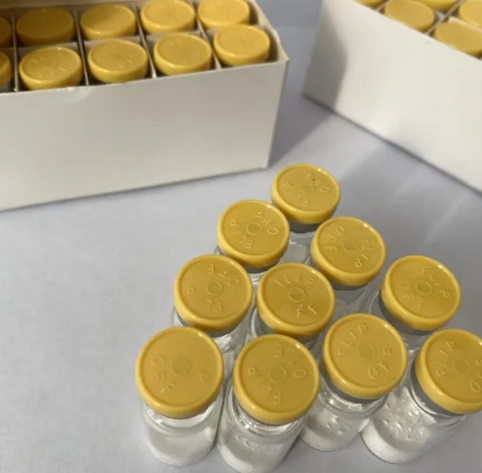

Buy AICAR Peptide – Premium AMPK Activator for Metabolic Research
AICAR (Acadesine) – AMPK Activator Research Peptide
AICAR (5-Aminoimidazole-4-carboxamide ribonucleoside), also known as Acadesine, is a cell-permeable nucleoside analog and a well-established activator of AMP-activated protein kinase (AMPK), the central cellular energy sensor . By mimicking the metabolic effects of exercise, AICAR is a valuable research tool for investigating metabolic syndrome, diabetes, energy homeostasis, and age-related decline in physical performance . This research-grade compound is strictly for laboratory investigation and is not intended for human consumption.
Key Factual Details
| Attribute | Detail |
|---|---|
| Chemical Name | 5-Aminoimidazole-4-carboxamide ribonucleoside (Acadesine) |
| Molecular Formula | C₉H₁₄N₄O₅ |
| Molecular Weight | 258.23 g/mol |
| CAS Number | 2627-69-2 |
| Melting Point | 214-215°C |
| Purity | ≥98% (HPLC verified) |
| Solubility | H₂O: >10 mg/mL; DMSO: >10 mg/mL |
| Storage | −20°C; stable for up to 2 years as supplied |
| Classification | AMPK activator / AMP mimetic |
Mechanism of Action & Research Applications
AMPK Activation
AICAR enters cells via adenosine transporters and is phosphorylated by adenosine kinase to generate ZMP (AICAR monophosphate), an AMP mimetic . ZMP binds to the AMPKγ subunit, directly activating AMPK and triggering downstream metabolic pathways that regulate glucose and lipid metabolism, pro-inflammatory responses, cytokine production, cell proliferation, and apoptosis . AICAR promotes ligand-independent activation of the insulin receptor and induces skeletal muscle autophagy via activation of FoxO3a .
Research Applications:
-
Metabolic Studies: Investigating AMPK-mediated glucose uptake and insulin sensitivity
-
Endurance Research: Exploring exercise-mimetic effects on cellular energy regulation
-
Lipid Metabolism: Studying fatty acid oxidation and lipid homeostasis
-
Neuroinflammation: Examining AMPK’s role in neurogenesis and microglial activation
-
Cardioprotection: Investigating ischemia/reperfusion injury and vascular function
Research Parameters
All dosages are for in-vitro and preclinical research use only and are not intended for human consumption.
Mouse Model Dosage References :
| Model | Dosage | Route | Key Outcome |
|---|---|---|---|
| High-Fat Diet | 500 mg/kg | IP daily | Prevented neuropathy, 3-fold AMPK increase |
| LPS-induced sepsis | 500 mg/kg | IP 4h pre-LPS | Reduced TLR4-induced neutrophil activation |
| Sepsis (CLP) | 500 mg/kg | IP 1h & 6h post-CLP | Promoted mitochondrial biogenesis, improved survival |
| LPS model | 20 mg/kg | IP 6h post-LPS | Reduced vascular permeability |
| PM2.5 exposure | 200 mg/kg | IP daily (GD13-GD17) | Ameliorated hepatic lipid disorders |
| DOCA-salt hypertension | 100 mg/kg | SC daily for 21d | No significant BP change observed |
| Aged mice (23 mo) | 300-500 mg/kg | SC daily for 31d | Prevented decline in treadmill capacity |
Route Options: Intraperitoneal (IP), subcutaneous (SC), intravenous (IV)
Reconstitution: Dissolve in sterile saline or PBS (pH ~7.4); filter sterilize (0.22 μm) before use
Order AICAR (50mg) With Confidence
Order AICAR Today – Request a quote for your metabolic research project. Available in various pack sizes with Certificate of Analysis. Contact our sales team for bulk pricing and custom synthesis inquiries.
Reviews
There are no reviews yet.